







By Tatiana Martins, journalist at G&M News.
In an online betting market where attention spans are short and competition is fierce, simply reacting to user feedback is no longer enough. Real innovation starts by discovering what players truly need, even before they realize it themselves.
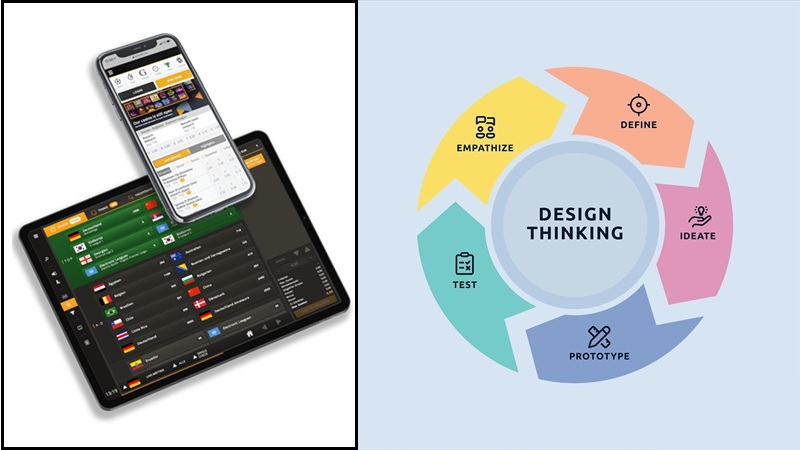
This is where Design Thinking proves its value. Not as a passing trend, but as a mindset that combines empathy, experimentation, and creativity to design more engaging, intuitive experiences.
For iGaming operators looking to attract and retain users, it offers a powerful, practical path to creating journeys that resonate, and convert.
- WHY DON’T PLAYERS JUST WANT FEATURES?
Many operators fall into the trap of adding features for the sake of volume. More games, more bonuses, more tabs. However, modern players are not overwhelmed by too little, they’re overwhelmed by too much. Design thinking invites operators to ask better questions:
- What do players actually want to feel when they enter our platform?
- Where are they getting stuck or dropping off?
- What would a truly satisfying betting journey look like?
The answers often lead to subtle but powerful shifts in layout, language, onboarding, or support, all of which can make the difference between a curious visitor and a loyal user.
- EMPATHY: STEP INTO THE PLAYER’S SHOES
The first step of design thinking is empathy. This means observing, listening, and walking through the product as a user would, not as a developer or marketer.
Operators can run short user interviews, review player feedback patterns, or even simulate a new player experience from scratch.
The goal is to identify friction points: a) is registration too long? b) are bonuses confusing? C) is there a lack of trust signals for new users?
This process creates a more accurate picture of what players value, and what drives them away.
- DEFINE AND REFRAME THE PROBLEM
After gathering insights, it’s time to reframe the challenge. Instead of focusing on general goals like “increase retention,” design thinking encourages operators to define specific, user-driven problems.
For example: “Players are abandoning the platform within 5 minutes because they don’t understand the game categories” or “New users are registering but not depositing because they can’t easily find beginner-friendly games”. With a well-defined problem in hand, solutions become more focused, creative, and effective.
- IDEATE: CREATE BOLD, USER-FIRST SOLUTIONS
Ideation is where creativity takes the lead. Now that operators know the user’s pain points, they can begin brainstorming ways to solve them.
No idea is too small:
- Gamified onboarding tutorials
- AI-driven game recommendations based on behavior
- Simplified wallet integrations
- Community-driven features like live chats or player tips
What matters is generating a wide variety of ideas before narrowing down the best ones for testing.
- PROTOTYPE AND TEST FAST
You don’t need to rebuild the whole platform to test an idea. Design thinking encourages operators to prototype quickly, that might mean a new landing page layout, a reworked bonus flow, or a chatbot in the help center.
Then, test it with real users. Collect feedback. Observe behavior. Iterate. This process avoids costly rollouts of features no one wants and helps refine what truly connects with the target audience.
- BUILDING LOYALTY THROUGH DESIGN
Great design isn’t just about how things look, it’s about how they work. By applying design thinking continuously, operators can evolve their platforms to be more adaptive, inclusive, and user-friendly. This kind of design builds trust. It shows users that the platform is listening, evolving, and built for them.