






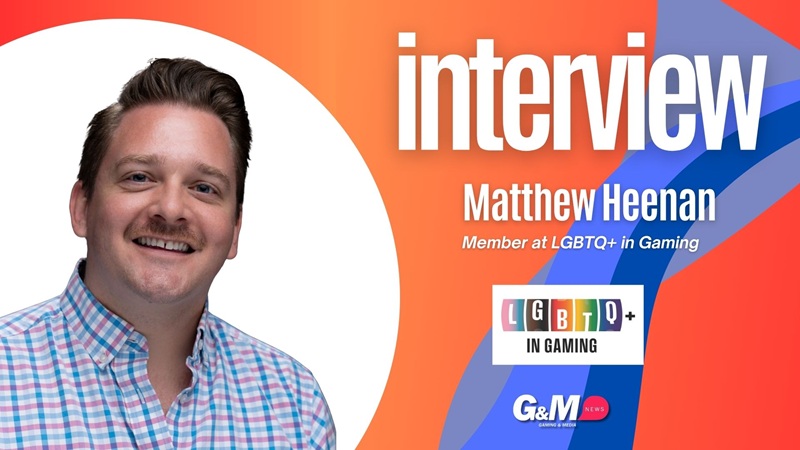
By Tatiana Martins, journalist at G&M News.
As someone actively involved in both the operational side of gaming and advocacy through LGBTQ+ in Gaming, how do you see the relationship between customer experience and inclusive workplace culture?
In my experience, the two are deeply connected. A workplace that values inclusion, where LGBTQ+ team members feel seen, respected, and empowered, naturally delivers a stronger customer experience. When employees can bring their authentic selves to work, they show up with more creativity, empathy, and confidence. That energy directly impacts how we treat guests, how we design experiences, and how we build loyalty. In the gaming world, where hospitality and entertainment intersect, inclusion isn’t just internal, it’s part of the brand promise. The more inclusive our workplace culture, the more welcoming and responsive we become to our diverse customer base.
LGBTQ+ in Gaming has been gaining visibility across the global industry. What recent milestones or initiatives from the group are you particularly proud of?
One moment I’m especially proud of is the launch of our LGBTQ+ in Gaming LinkedIn group and our first industry-wide webinar, “How to Support LGBTQ+ Employees.” What started as a conversation at G2E turned into a real movement, and the response has been overwhelming. Currently, we have over 330 members in the group and are looking to increase our numbers at G2E in October, where we will be hosting a panel and networking event. We’ve built a platform for connection, education, and visibility that’s growing by the day. Seeing professionals from across companies, countries, and disciplines come together to share best practices and advocate for change has been deeply meaningful. It’s proof that the industry is ready, and hungry, for more inclusive leadership.
With the gaming industry evolving rapidly, especially in digital and regulated markets, how can companies embed LGBTQ+ representation and awareness into innovation and growth strategies?
Embedding LGBTQ+ awareness into innovation starts with asking: who’s at the table? Whether you’re designing a new guest app, developing content, or expanding into new markets, diverse voices, including LGBTQ+ perspectives, help ensure your strategy is relevant, human-centered, and future-ready. Companies can include LGBTQ+ team members in design and product testing, audit their marketing and branding for inclusive representation, partner with employee resource groups (ERGs) and advocacy organizations to better understand evolving needs, and develop inclusive policies that support digital-first teams, such as self-identification options and inclusive UX design. When inclusion is part of a growth mindset, it leads to better outcomes for both employees and customers.
What advice would you give to young LGBTQ+ professionals entering the gaming industry today, particularly in markets where diversity and inclusion are still developing?
The first thing to remember is this: you belong here. The industry is evolving, and your voice plays a vital role in shaping its future. Never underestimate the impact of showing up as your authentic self; it can be both revolutionary and deeply grounding. It’s important to find your community, whether through an employee resource group, a mentor, or networks like LGBTQ+ in Gaming. These connections can provide the courage and support you need. Stay curious and ask questions, even in less inclusive spaces; curiosity is a quiet but powerful catalyst for change. Speak up when you can and safeguard your well-being when you can’t. The responsibility for change doesn’t rest solely on your shoulders, but your perspective remains a valuable contribution to the industry.
How do you think collaboration between global organizations like LGBTQ+ in Gaming and regional markets in Latin America can drive long-term cultural change within the sector?
Collaboration is essential because inclusion can’t be one-size-fits-all. It has to be locally rooted and globally supported. Partnering with leaders and advocates in Latin America allows us to understand unique cultural contexts while sharing tools, platforms, and support that can accelerate progress. Global change starts with local action, and partnerships like these can bring both into alignment.