









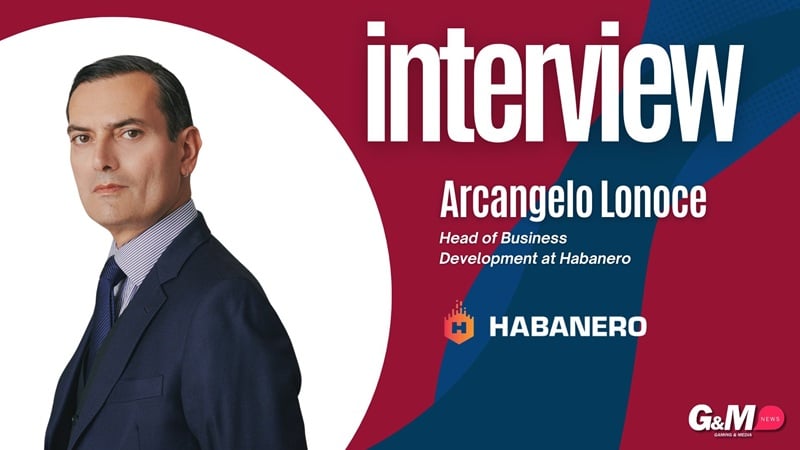
By Ulises Gil, journalist at G&M News.
Habanero recently obtained licences to operate in Greece and Denmark as part of its European expansion strategy. Could you share some insights about entering these markets and the impact you expect to have there?
Securing licenses in Greece and Denmark marks an important milestone in our European roadmap. Both markets are highly regulated and have mature gaming ecosystems, so entering them isn’t just about availability; it’s about meeting high standards and aligning with local demands. We’ve already made strong progress in similar markets like Italy and Spain, and those learnings have helped us take a local-first approach from day one. In both Greece and Denmark, we’re working closely with operators to introduce content that performs, including popular features like Jackpot Race. These aren’t just plug-and-play markets. Success here depends on cultural understanding, regulatory readiness, and strong operator relationships. We’re confident we’re bringing all three, and we are enjoying the challenges indeed.
In early 2025, your company launched several titles, including Hyper Hues, Japanese Mask, and Shamrock Quest. What creative and technical approaches did you apply in these releases, and how have they been received so far?
Our latest launches reflect a strategic blend of creative innovation and both cultural and technical consistency. We’ve continued to diversify gameplay experiences, trying themes and mechanics, and pacing to cater to a wider range of player preferences across regulated markets, innovating while respecting players’ expectations. One area where we’ve seen particular traction is in the integration of engagement features like the aforementioned Jackpot Race, which adds time-based, community-driven excitement to the experience, delivering a must-drop jackpot that can be won by several players in increments. These kinds of tools are central to our approach. Innovation is nothing without enhancing value for operators and delivering more than just standalone gameplay. Technically, all our releases are built on our proprietary HTML5 framework, ensuring high performance across devices and platforms. The response so far has always been strong: positive operator feedback, healthy engagement rates, and clear alignment with what today’s players are looking for.
The firm also expanded into Latin American markets such as Brazil and Peru. How has Habanero adapted its content and operations to connect with local audiences in the region?
Latin America is a region with massive potential, but you can’t treat it as a single market. Brazil, Peru, Colombia, and Argentina: each have their own cultural specifics, player preferences, economic environments, and regulatory frameworks. We started by establishing a presence in Colombia and Argentina, which gave us valuable insights into what works there. In Brazil, for example, we’ve gone beyond basic localization. We’ve partnered with local operators, refined our game offerings, and tuned everything from mechanics to payout styles to match what Brazilian players respond to. This is not a short-term strategy; it’s about creating locally relevant experiences that drive long-term value to all parties involved, starting with the players themselves.
With over 150 HTML5 games and certifications across 24 markets, what are the main technical or regulatory challenges the company faces while scaling, and how to ensure compliance and performance across jurisdictions?
The challenge with scaling in regulated markets lies in their diversity. Each jurisdiction comes with its own technical requirements, compliance standards, and responsible gaming expectations, and those can evolve quickly. That’s why we’ve embedded compliance directly into our development process by building Habanero on totally scalable modules. From the earliest stages of production, our teams work with local regulations in mind, ensuring that every title we release meets the necessary conditions, whether it’s RTP settings, certification protocols, or player protection features. We don’t see regulation as an obstacle. On the contrary, we view it as a key component of long-term sustainability. It helps build trust with operators and players alike within a wider, proactive acknowledgement of responsibility. In time, this will finally clarify that the nature of modern gambling is to provide safe entertainment to an adult audience, while reinforcing our commitment to delivering consistently high standards across every market we enter.
Considering your plans for the remainder of 2025 and beyond, are there any upcoming projects or areas (such as new markets, game mechanics, or innovations) that you’d like to share?
We’re entering a pivotal phase of growth. On the geographic front, we have launched in the regulated U.S. states in January this year with a view to expanding into Ontario and beyond, while also strengthening our footprint in Africa through key partnerships with established operators like Betway. In parallel, we’re continuing to evolve our player engagement strategy by investing in real-time features such as tournaments, leaderboards, and other community-centric mechanics designed to enhance retention and deepen player connection. From a content perspective, our focus remains on creating experiences that resonate on a cultural level. We’ve seen firsthand how locally relevant content drives stronger performance, and we’re committed to building meaningful, tailored offerings that deliver long-term value for our partners.