







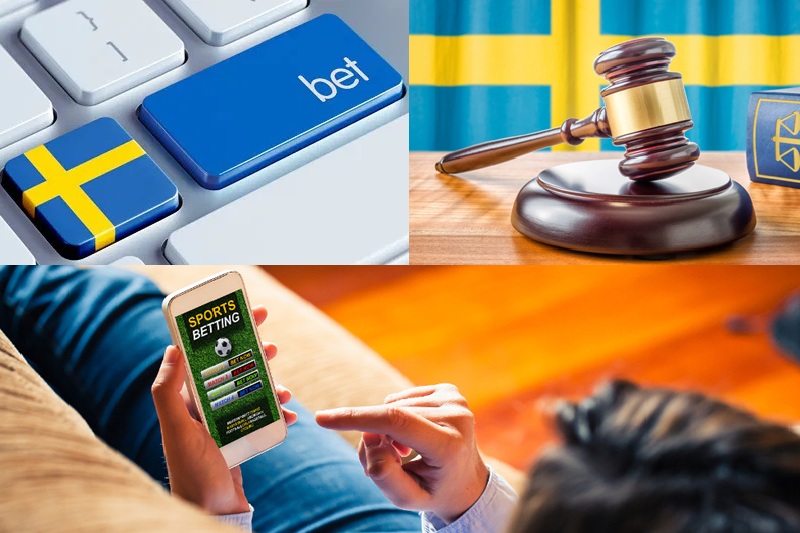
In 2019, Sweden reopened its regulated online gambling market with one goal: to protect consumers. At the center of that regulation was the bonus rule, which required that licensed operators only offer one bonus per player. However, the rule came with one major problem. Many players have started shifting to unlicensed casinos.
Sweden’s online gambling market remains the most regulated one in Europe, even though it is valued at over USD 2.10 billion. As the market became open to private operators through the 2019 Gambling Act, competition and innovation increased. Now, players feel very comfortable gambling at licensed online casinos because they have everything they would need.
However, since the Gambling Act Reform in 2019, casino bonuses have been capped at SEK 100 with a SEK 5,000 weekly deposit limit for online casinos. Licensed operators are not allowed to offer more than just one welcome bonus per player. That means no loyalty bonuses, no cashbacks, no VIP incentives, no reloads or anything else!
Players vs bonuses
Truth be said, players love casino bonuses. You want to play games without having to incur much cost. While the regulation means well, it doesn’t work for many players, causing them to shift their focus to unlicensed casinos.
Even though unlicensed casinos may offer multiple bonuses and promotions, Swedish players remain at risk when dealing with these sites. For example, there is a lack of legal protection, and in this world, when cybercrime is the order of the day, there is potential for fraud.
On the other hand, licensed operators are led by a strict set of regulations from Spelinspektionen, providing a safer and more transparent gambling experience. Players looking for reliable information on bonuses and safe options in Sweden can refer to bedrageri.info, which features only licensed casinos and clear comparisons of available offers.
What’s on paper vs what’s happening
Licensed casinos have to include responsible gambling tools (including the national self-exclusion register Spelpaus), follow strict rules around money laundering checks, player verification, and honest advertising. The regulator actively targets illegal supply and has even added B2B (supplier) licensing since July 1st, 2023, making it harder for shady operators to push their games into the market.
All of this has created a regulatory barrier around promotional marketing, curbing the more aggressive ways casinos might try to cash in. At the same time, it reduces the range of legal bonuses and perks that players in other markets have come to expect. This difference between what licensed casinos can offer and what offshore sites promote is what experts now refer to as Sweden’s “bonus divide.”
Despite the guardrails, Sweden’s channelization has slipped below the 90% that has been targeted. Actually, the rate slipped from 86% in 2023 to 85% in 2024.
A 2025 survey on more than 5,700 individuals revealed that most of them were turning to unlicensed casinos since they preferred larger bonus offers. This survey complements an earlier survey in 2021 where 32% of respondents claimed that bonus offers were the main reason behind them moving to unlicensed casinos.
What players risk by going offshore
Despite the fact that players are unhappy with the tight laws set by the Swedish regulator, there are a number of things that they are risking. For a start, with offshore platforms, there is no Spelpaus protection. Whatever the regulation was protecting the players from by having stringent measures end up affecting the players. Self-exclusion does not bind operators that are not under the law, meaning that players are more liable to fall into problem gambling.
Additionally, issues concerning the casino are harder to deal with if they are not under the Swedish jurisdiction. Things like disputes, unfair terms and AML features might be harder to address. Sweden has been actively fining licensed firms for AML lapses, but now that pressure does not exist for many offshore operators.
Also, player winnings from operators in the Swedish jurisdiction are tax-free. However, winnings outside the EU/EEA platforms can be taxable and should be declared. These might end up lowering the players’ potential wins.
Bonus limits have been criticized
The bonus divide has been a cause and subject to criticism all across Sweden, both from the political arena and within the industry. In fact, the Swedish Moderate Party (which is now part of the Government) called for a review of the bonuses. In September 2022, Gustaf Hoffstedt, BOS secretary general, stated that the incoming Government could be a little bit more lenient when it came to the idea of bonus reforms. He continued to say that they were hoping for liberal bonus regulation for betting and casino products.
If Sweden loosens up its bonus rules for online casinos, it is going to make quite a significant statement to Swedish players. Imagine being under the same protection of the Spelinspektionen, but at the same time, enjoying multiple bonuses. How enticing! In 2024, about 96% of players tried out a licensed casino at least once, and with more bonus options on the table, that number could go even higher, giving the industry a major boost. The big question, though, is this: will the current reforms stick, or are more changes just around the corner?