









By Tatiana Martins, journalist at G&M News.
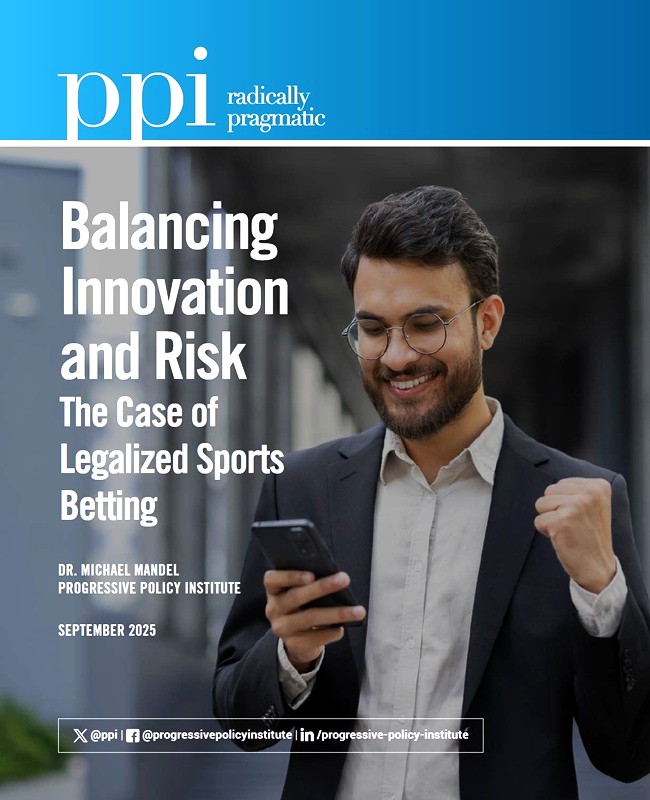
Your recent report challenges the common perception that legalized sports betting fuels financial instability. Could you highlight the most surprising findings from the research from the Progressive Policy Institute?
In the report, we found no sign of a tidal wave of consumer bankruptcies or consumer credit score reductions in states that were early adopters of mobile sports betting. The result on consumer bankruptcies was particularly striking, since we were analyzing the actual official count of bankruptcies, rather than a sample.
Bankruptcies have declined more sharply in states that embraced regulated sports wagering. What factors do you believe explain this correlation?
It’s more useful to say that, on average, states which legalized mobile sports betting showed roughly the same trend in consumer bankruptcies as states which did not legalize mobile sports betting.
Despite a huge rise in consumer spending on legal sports betting between 2019 and 2024, betting outlays remained stable as a share of household spending. What does this tell us about consumer behavior?
Assuming Government data is accurate, it looks like people reallocated their gambling dollars to sports betting from other forms of gambling. If this trend continues, it reduces concerns about financial stress potentially created by sports betting.
You describe sports betting as an “economic innovation,” comparable to discretionary spending categories like travel or live entertainment. How should policymakers and regulators interpret this comparison?
Regulation is important, but innovation should be encouraged in order to improve living standards.
What role do you see for research-driven insights, such as those from PPI, in shaping balanced policies that both foster innovation and protect consumers in the gaming industry?
Policy is better when it is based on solid data. The report provides some additional data points that may be useful to policymakers.