









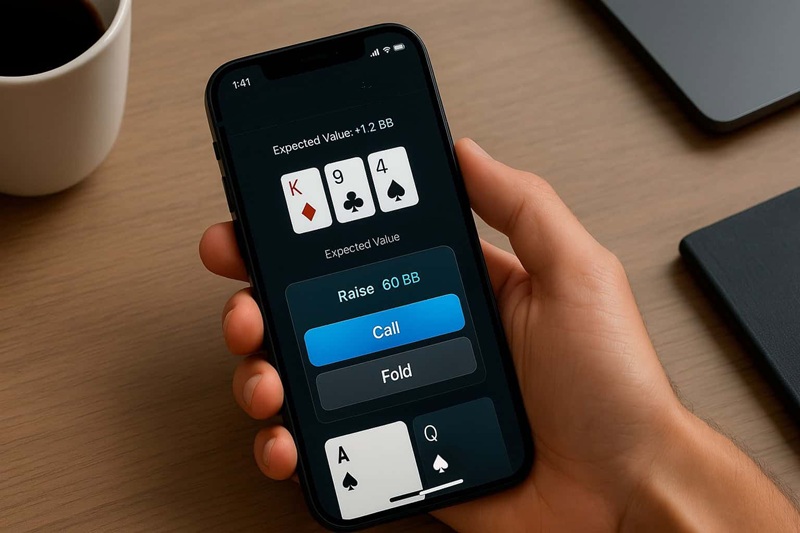
For a long time, iGaming lived in the browser. Players logged in through desktops, clicked through heavy menus, and accepted slower load times as part of the experience. That model didn’t collapse overnight. It was slowly outperformed. Apps didn’t take over because they were new. They took over because they fit how people already use their phones.
Phones Changed Before iGaming Did
By the time iGaming apps became widespread, user behavior had already shifted. Phones were no longer secondary screens. They were where people watched sports, handled payments, chatted, and spent time in short bursts. Browser-based platforms struggled to adapt to that reality. Sessions became shorter. Attention became fragmented. Waiting for a page to reload or a table to reconnect started to feel unnecessary. Apps removed that friction. They open faster. They remember preferences. They resume exactly where the player left off. That alone changed how often people played, not just how long.
Performance Matters More Than Design
One of the biggest advantage apps have is performance consistency. Games run smoother inside an app environment than inside a mobile browser, especially during live or multiplayer formats. Poker is a good example. Timing matters. So does stability. Players don’t want to refresh a page mid-hand or reconnect after a notification pulls focus. That’s why formats like a real money poker app gained traction faster on mobile than they ever did on desktop. The app handles background interruptions better and keeps gameplay intact. That reliability builds trust quietly. Players don’t think about it when things work. They notice immediately when they don’t.
Payments Became Native, Not External
Another turning point was payments. Apps integrated directly with device-level systems. Deposits and withdrawals stopped feeling like separate processes and started behaving like everyday transactions.
Instead of redirecting users through third-party pages, apps allowed faster verification, saved payment methods, and clearer transaction histories. That reduced drop-off at the most sensitive point of the experience. When money moves smoothly, people come back. When it doesn’t, they don’t.
Apps Fit Modern Play Patterns
Most iGaming sessions today are not long, planned events. They’re short check-ins. A few hands. A quick spin. A table opened during halftime. Apps are built for that rhythm. They send reminders. They load instantly. They don’t ask users to re-learn navigation each time. The experience feels continuous rather than restarted. Browser platforms still work, but they feel like work. Apps feel like habits.
Control and Trust Played a Role
Apps also benefited from perception. Being downloaded from an official app store adds a layer of legitimacy for many users. Permissions are visible. Updates are automatic. Security feels managed rather than assumed. That matters in iGaming, where trust determines retention more than bonuses ever did.
Why the Shift Stuck
Apps didn’t just catch up to browsers. They passed them. Faster access, smoother gameplay, better payment handling, and alignment with how people actually use their phones made a difference.
Once users experienced that convenience, there was no reason to go back. iGaming didn’t become mobile-first because of trends. It became mobile-first because apps simply worked better for the way people play now.