









Manhattan is famous for its bright lights and flashing billboards but take a walk through Times Square and past Madison Square Garden these days and you might notice something unusual.
The same sneaker ads and live event promos still beam down on passers-by, but they’ve been joined by a new feature: a ticker showing the latest odds for the next big public event – be it an election or Super Bowl.
These represent the prediction markets that have become a part of everyday public life in the US. Market leaders like Kalshi and Polymarket are growing quickly because their new way of guessing the future (in return for money) has people signing up in droves.
More than 1 billion reportedly changed hands on Kalshi during this year’s Super Bowl alone, so prediction markets are dominating news stories, but how are they changing public life?
The blur between investing and gambling
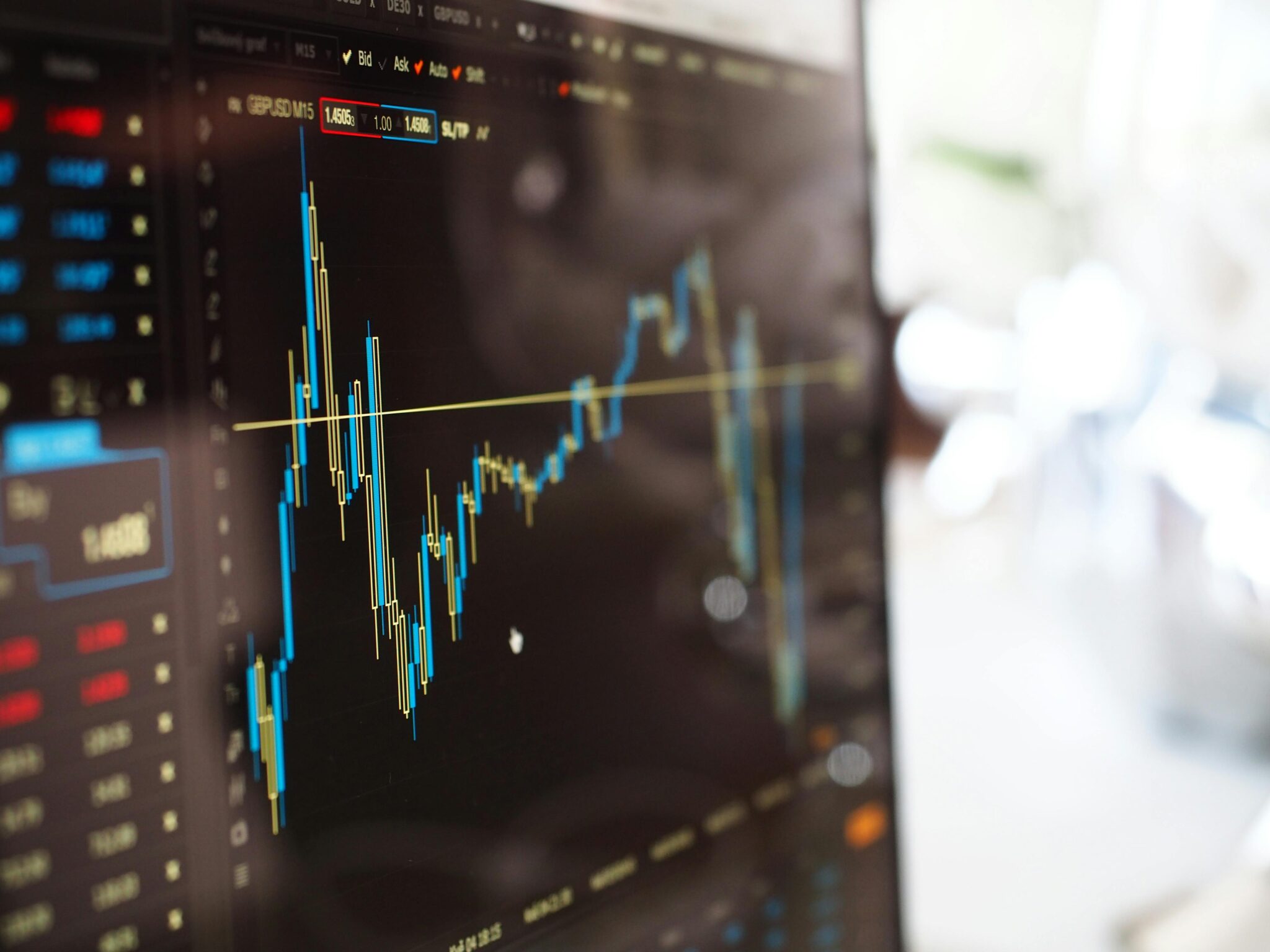
Prediction markets work in a simple manner: they let people bet on outcomes ranging from elections to sporting events to even award shows. Yet instead of betting against a sportsbook of odds, players, or “traders” as they’re known, buy and sell contracts that fluctuate in value according to their changing probability.
Let’s take the example of a contract priced at 40 cents that says the Chicago Bulls will win their next match. News that their opponents’ main player is ruled out through injury would push up the contract’s value to 70 cents as the Bulls are now more likely to win. Contract holders can then sell this at a profit before the match takes place. If you’re thinking this sounds like stocks trading, then that’s because it’s effectively the same.
The companies behind these prediction markets, however, argue that they are different and are, in fact, derivatives – in other words, financial instruments governed by federal commodities law and overseen by the Commodity Futures Trading Commission (CFTC). That classification places them in a different regulatory universe from state-licensed sportsbooks and real money casino games, which must comply with local gambling laws, age limits (typically 21+), taxation, and responsible-gaming mandates.
State officials see something else: sports betting by another name. What’s more, it’s available in jurisdictions that never legalized it.
The Supreme Court’s 2018 decision in Murphy v. National Collegiate Athletic Association to take away the federal ban on sports wagering only goes so far – prediction markets operate nationally which, some state officials say is unconstitutional. Theyinsist that this is unfair – why should sportsbooks jump through multiple compliance hoops while predictions exchanges offer contracts on the same football game without any pushback?
The legal line is sympathetic. Several legal experts have called this a blurring of lines between gambling and investing, something that seems to be happening more often in the era of meme stocks and zero-commission trading.
The backlash
The backlash has been swift. At least 20 federal lawsuits are now in place across the country, as state attorneys general and gaming commissions seek injunctions.
Judges have temporarily barred certain sports-related contracts in Massachusetts and Nevada. Regulators in New York accuse Kalshi of operating illegally and the company has sued in response saying that federal law comes before state authority.
But what’s the answer? Well, the Commodity Exchange Act says that contracts involving “gaming” are unlawful, yet these platforms reply that they are simply offering legal futures on regulated exchanges. Many legal analysts believe it will go all the way to the Supreme Court.
There are overlaps between the two sides, too. Some lawmakers urge federal regulators not to come down on state authority, while others insist on national unity. This once niche financial idea looks like it’s going to be a test for federalism.
Insider information
Where do you draw the line between knowledge and insider trading? It’s a sensitive topic that’s made more delicate in prediction markets.
Take the case in Hawaii of almost half a million dollars in contracts that speculate on the exact words a governor will use in a keynote address. What happens if someone gets hold of the draft?
Platform execs insist they monitor aggressively for market manipulation, using enforcement borrowed from the Nasdaq and NYSE, including account freezing and reporting to authorities.
There’s no clear way of knowing, however, if this is enough.
Commodifying everything
What does it mean to assign a price to every possible outcome: to reduce elections, wars, speeches, and even fashion choices to tradable assets?
Prediction market supporters argue that markets are the most efficient way of pooling information and representing probabilities correctly. Much more accurate, even, than polls or pundits.
Yet reducing everything to a bet is bound to have consequences. Whenever anything, big or small, becomes a chance to win money, the chances of wrongdoing shoot up – you could say it’s just human nature, but it’s also extremely dangerous.
Either way, prediction markets are booming. While lawyers argue and judges ponder, the US public is still putting money on what will happen in the next public speech. Even if the legal outcome is that these markets are dangerous, US prediction culture appears to have changed forever.