








By Tatiana Martins, journalist at G&M News.
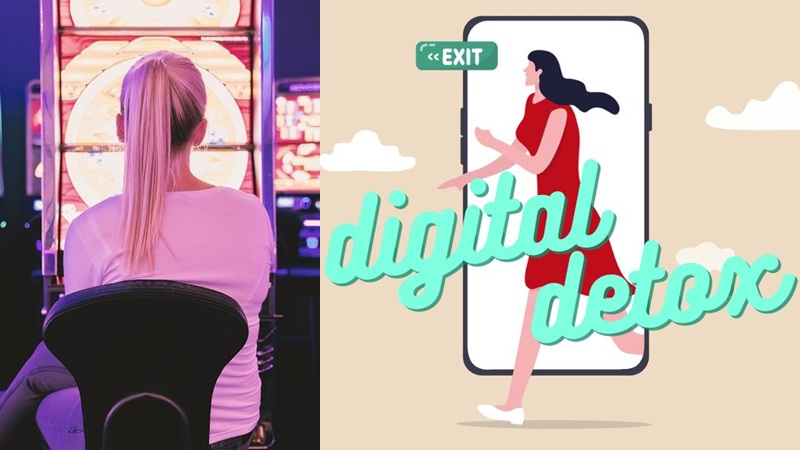
The start of a new year is usually a moment of reset. Individuals and companies revisit habits, redefine priorities and look for more balanced ways to move forward. In the digital economy, this seasonal reflection has helped push one idea into the mainstream: digital detox, reducing screen time, limiting constant stimulation and using technology more intentionally.
For the iGaming industry, the concept can sound contradictory. Gambling platforms are built around digital engagement, while digital detox promotes stepping away from screens. Yet this apparent tension opens an important discussion for 2026: could the logic behind digital detox strengthen responsible gambling rather than challenge it?
A cultural shift toward intentional digital use
Digital detox is no longer about completely logging off. It reflects a broader change in how people relate to technology. Users are becoming more selective, more aware of their mental health and more interested in experiences that fit into a balanced lifestyle.
This shift directly impacts iGaming. Players are paying closer attention to how platforms influence their behavior. Brands that acknowledge these concerns, instead of ignoring them, are increasingly seen as more trustworthy and mature.
Responsible gambling as conscious engagement
Many responsible gambling tools already follow the same logic as digital detox. Session reminders, time limits, cooling-off periods and self-exclusion features introduce moments of pause and reflection. They help players stay aware of how long they are playing and how much they are spending.
Rather than reducing enjoyment, these tools redefine the experience. Gambling becomes a form of entertainment with clear boundaries, not an activity driven by endless digital stimulation. In this sense, responsible gambling promotes quality of engagement, not constant engagement.
From regulatory requirement to brand narrative
For years, responsible gambling initiatives were treated mainly as compliance obligations. In today’s market, this approach feels outdated. At the beginning of a new year, operators have the opportunity to rethink how these tools are positioned.
When responsible gambling is connected to wellness, balance and self-control, it gains new meaning. Breaks are no longer seen as interruptions, but as part of a healthier user journey. This perspective aligns closely with broader lifestyle trends and speaks directly to players who value transparency and self-awareness.
Changing the way player protection is communicated
One of the biggest challenges lies in language. Digital detox often suggests absence, while gambling depends on presence. Bridging this gap requires a more thoughtful tone, one that focuses on empowerment instead of restriction.
Clear UX design, educational content and proactive communication can help normalize limits and pauses. When framed correctly, responsible gambling becomes a tool that supports long-term enjoyment rather than a signal to stop playing altogether.
A necessary tension for the industry’s next chapter
As iGaming enters another year of transformation, the real question may not be whether digital detox and gambling can coexist, but whether the industry can afford to ignore this conversation.
Players are redefining their relationship with digital products, and gambling platforms are part of that reassessment. Treating wellness and responsible gambling as opposing forces risk pushing the industry further away from evolving consumer expectations and regulatory realities.
The more uncomfortable question is this: can iGaming grow without encouraging constant presence? If the answer is yes, then digital detox is not a threat, but a strategic lens through which responsible gambling can mature.
In the coming years, market leaders will likely be those willing to challenge the old engagement-at-all-cost mindset. The future of iGaming may depend less on how long players stay connected, and more on how responsibly the industry allows them to disconnect.