








By Tatiana Martins, journalist at G&M News.
In the iGaming industry, we talk a lot about gamification, but almost always in the context of player engagement. Operators add missions, rewards, and interactive elements to keep customers coming back. But what if we applied the same concept to the sales process itself?
How gamification in sales works
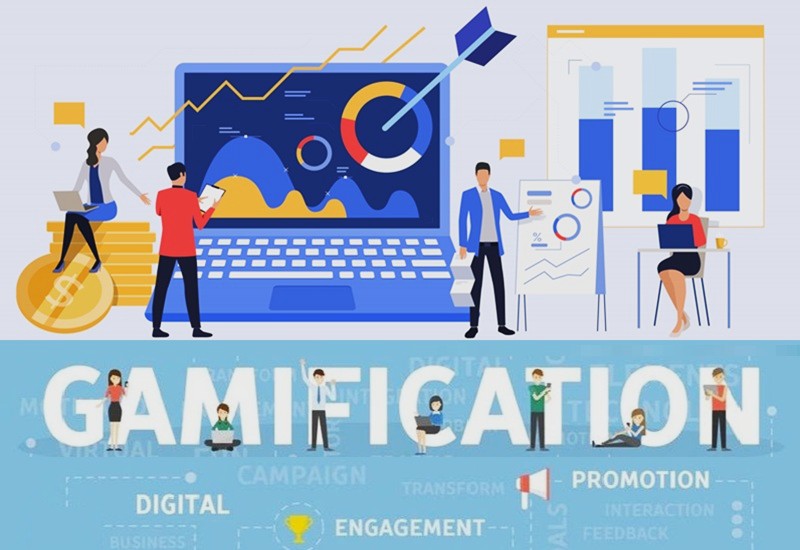
The logic is simple. Gamification is the art of using game mechanics, points, levels, challenges, leaderboards, and rewards, in non-game situations. With its digital-first mindset and competitive landscape, iGaming sales is a perfect playground. Instead of treating the buyer’s journey as a linear transaction, it becomes an immersive experience where both sides feel involved and motivated.
Picture this: a potential client progresses through “levels” of engagement. The first meeting unlocks exclusive product insights. Completing a live demo grants access to ROI simulators or case studies. Sharing operational data could “unlock” tailored bonus offers or special onboarding benefits. Suddenly, what was once a static process turns into an unfolding story, with the prospect as the main character.
Engaging sales teams and clients through game mechanics
For sales teams, gamification can mean leaderboards and achievement badges, turning performance into a friendly competition. Who closed the fastest deal? Who expanded into the most markets this quarter? Recognition becomes visible, motivating the team to go further.
For clients, tiered rewards for early sign-ups or long-term deals add tangible value beyond the product itself, strengthening loyalty from day one. The act of buying becomes as rewarding as the product experience itself.
Why gamification fits the iGaming market
The iGaming sector is already primed for gamified strategies. We operate in digital-first environments, thrive on competition, and rely on detailed analytics. This combination creates ideal conditions to make the sales process more interactive and measurable.
In a crowded market, the supplier who can transform buying into an experience stands out, not only for their platform or content but for how they deliver it. Gamification isn’t a gimmick; it’s a way to elevate B2B relationships by creating a shared journey rather than a one-off transaction.
Examples of gamified iGaming sales
Some companies are already experimenting. Imagine replacing a standard demo with a gamified simulation, where the prospect “runs” a virtual sportsbook for a day, testing betting markets and analyzing player data as if they were already your client.
You can also picture a private online portal where prospects track their own progress, view upcoming “missions,” and preview rewards waiting at the next stage. Each interaction builds engagement and feeds back valuable data, helping suppliers understand exactly where interest peaks or fades.
The future: AI, AR, and immersive sales experiences
Looking ahead, AI-powered personalization will make gamification even more effective. Sales platforms could dynamically adapt challenges to each prospect’s interests: mobile-focused operators could receive missions tied to mobile features, while regulated-market operators might unlock compliance-based “quests.”
Combine that with AR or VR, and you could invite a potential partner to “walk” through a virtual casino floor or sportsbook trading room, experiencing your product in a fully interactive environment. This takes the concept of “test drive” to a whole new level.
Press ‘start’ to win in B2B iGaming
The goal isn’t to make sales “fun for fun’s sake.” It’s to transform the process into something memorable, data-driven, and mutually rewarding. In a market where products can often look similar, the real differentiator may be the journey you offer.
So, the next time you prepare a pitch, ask yourself: if this were a quest, how would I make my client the hero? Gamification could be the perfect answer.