









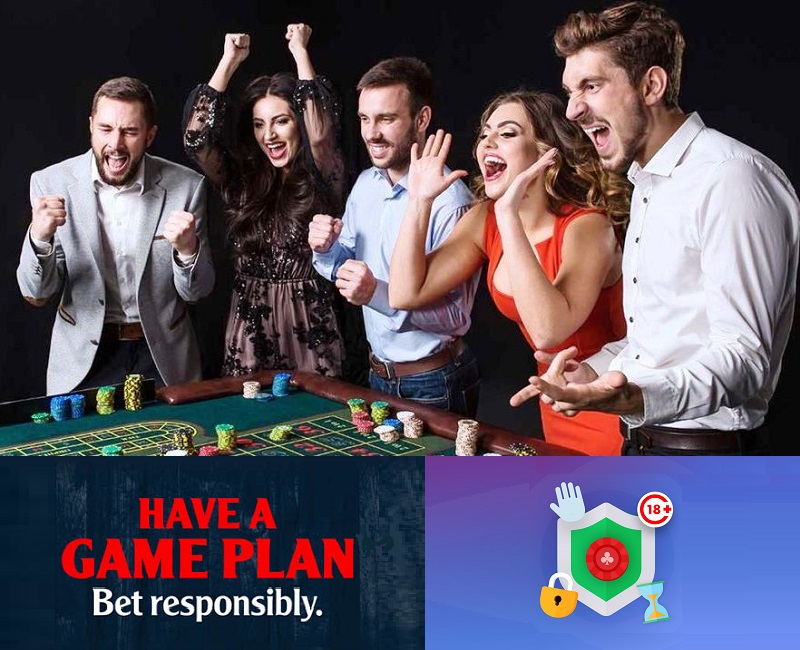
It’s not news to us that there’s one certainty in gambling: nothing is left to chance and, like any other business, it has a business model in place designed to ensure its profitability. But we can’t forget that the key element of gambling is, ultimately, players and we firmly believe that gambling should never come at a human cost. As industry stakeholders, it is imperative that we understand how to mitigate the risks and minimize harm while uncovering new insights about gambling and its impact on people through innovation and awareness.
The commercial gaming industry in the United States continues to grow in popularity as well as adding delivery channels that make gambling way more accessible than it has ever been, leading to higher risks for gambling disorders. At the same time, responsible gaming programming has become more prominent in the public dialogue since the central goal of these programs is to ensure that patrons responsibly enjoy casino games as a form of entertainment.
EXPLAINING AND PROMOTING RESPONSIBLE GAMING
Responsible gaming is nothing more than the practice of enjoying gambling recreationally and socially while avoiding dangerous or negative behaviors indicative of gambling disorders. There are several ways in which a player could ensure he/she is exercising responsible gaming, like setting time and budget limits on gambling; sticking to those limits; and avoiding behaviors and situations in which gambling will have negative emotional, psychological, social, financial or even physical effects.
Today, we can see that responsible gaming is being promoted all around the gaming industry. Government entities, casino operators, manufacturers, suppliers, and inclusive non-gaming organizations endorse responsible gaming through different initiatives or programs by establishing regulations, service announcements and training employees.
Responsible gaming entails the rational and sensible choices a player makes when evaluating gaming options, which considers the personal situation and circumstances of the player, preventing gambling from becoming a problem. It also implies an informed and educated decision by players that the game is for the sole objective of entertainment and the investment will not exceed what the individual can afford.
BEHAVIORS OF A RESPONSIBLE PLAYER
The responsible player will most likely present the following behaviors when engaging in gameplay:
a) The responsible player plays for fun and entertainment, not to win money. The player is fully aware that there are 50% chances of winning and 50% chances of losing.
b) Playing responsibly means making decisions based on facts, keeping control over the time and money to spend during gameplay.
c) By playing responsibly, the game activity is a pleasant and fun experience, without risk of financial harm.
The gaming industry invests millions of dollars each year specifically for responsible gaming efforts that include support for research, educational materials for customers and other stakeholders and ongoing employee training, always looking to ensure the safety of the players.
We understand that as more jurisdictions add delivery channels for gaming, such as online gaming and sports betting, the same policies that have been used for many years in the brick and mortar casinos are being applied here. However, the way the game is presented to the player creates different circumstances and new challenges. For years, in land-based casinos, the identity of the players has not been a requirement to gamble, but when we consider Internet gaming, there are many steps that need to take place, depending on the gaming jurisdiction, that requires the operator to have a complete profile of each one of their players, as well as playing history. This is a practice well known in the industry as KYC or Know your Customer.
THE IMPORTANCE OF KNOW YOUR CUSTOMER PROCESS
The processes of KYC are also an essential part of the Anti-Money Laundering procedure and it is basically done to verify that a customer is who he/she claims to be. Identifying the players via Personal Identifiable Information or PII and ID proofs, KYC helps in stemming the flow of illicit funds being used, the reduction of gambling among the underage group, users having multiple accounts and self-excluded or excluded gambling addicts.
When we use the term “self-exclusion” or “voluntary exclusion” in gaming, we are referring to a policy enacted by some governments and/or individual casinos to address the issue of problem gambling. Once the regulatory bodies have enacted self-exclusion policies, an individual who is aware of a gambling problem can voluntarily request that his/her name is added to the self-exclusion list. Gaming jurisdictional statutes vary depending on the length of the program available and even in the procedures for reversing self-exclusion. Some state laws specify that casinos and online operators must also eliminate direct promotional outreach or marketing to self-excluded individuals.
Another initiative that is widely known when it comes to online gambling is the implementation of mandatory wagering limits that require online operators to provide a mechanism within their platforms in which patrons may establish self-imposed limits on deposits, losses, wagering amounts and time spent gambling. This will ensure that players do not engage in additional gambling that may go beyond their means.
When it comes to limits and restrictions, these initiatives must also account for credit and other financial instruments that may increase the risk of players spending more on gambling activities than they can afford. Gambling on borrowed money is considered a high-risk practice that demands consumer protections. For many players, limiting access to cash on the gambling floor is an important strategy in supporting positive play. For patrons whose play has become problematic, preventing high-risk cash and credit transactions to fund gambling is paramount in reducing personal financial harm.
MARKETING LIMITATIONS AND HAVING A RG PLAN
Ensuring responsible marketing campaigns is another of the factors that play a big role for Responsible Gaming initiatives. Operators must develop and implement strategies to ensure advertising and promotions are delivered in a responsible manner. This comprises advertising that is sensitive to concerns about underage exposure to gambling promotion, including casino marketing on non-age-restricted social casino apps or online free-play sites. An important aspect of responsible marketing is having messaging related to promoting positive play and advertising problem gambling help resources.
A Responsible Gaming plan requires elements that often include continued employee training, research, and treatment funding, as well as public awareness efforts. In the U.S., there are several non-gaming institutions that are specifically dedicated to advocate for Responsible Gaming. The National Council on Problem Gambling operates the National Problem Gambling Helpline Network (1-800-522-4700). The network is a single national access point to local resources for those seeking help for a gambling problem. The network consists of 28 call-centers which provide resources and referrals for all 50 states, Canada and the U.S. Virgin Islands. This helpline has been established since 1985. Help is available 24/7 and is 100% confidential.
The National Council on Problem Gambling has also developed standards to help guide discussions among all stakeholders on Internet gambling, including operators, regulators, and the public. The standards contain specific recommendations in the areas of policy, staff training, informed decision-making, assisting players, self-exclusion, advertising and promotion, and several other aspects that must be covered to ensure an effective Responsible Gaming Plan. Problem gambling, like other diseases of addiction, will likely never be eliminated, but it is important that we utilize all the available resources to mitigate the damage.
FACTORS TO PLAY RESPONSIBLY
Some of the most important factors to play responsibly include:
-Play for fun, not to make money or to escape problems.
-It is important to enjoy winning, but consider that losing is a possibility.
-Don’t chase or try to win back losses.
-Do not borrow money to play.
-Prior to playing, decide how much money can be used. Never use the money for other expenses, such as food, transportation, rent or other needs.
-In times of emotional crisis, self-control decreases. Avoid playing in those moments.
-Don’t let gambling affect your relationships with family and friends.
-Set a time and money limit to play.
Every February 17th, the International Day of Responsible Gaming is celebrated, with the goal of raising awareness about the negative effects of gambling addictions. It is also intended to promote the ethical aspects of gaming and healthy ways of playing, as well as disclosing information about the consequences of uncontrolled gambling.
It is of vital importance to regulate gambling as well as ensuring compliance with the relevant application of policies to promote responsible gaming. People gamble for fun and because there is a possibility, however small, of winning some money. Therefore, we should all learn about responsible gambling practices, how to recognize the signs of harm that can be a risky behavior, and find out where to turn to for help.