








A leader in providing expert solutions and strategic advisory in the global gaming industry, SCCG Management is continuously delivering high-quality tools and academic materials about the sector.
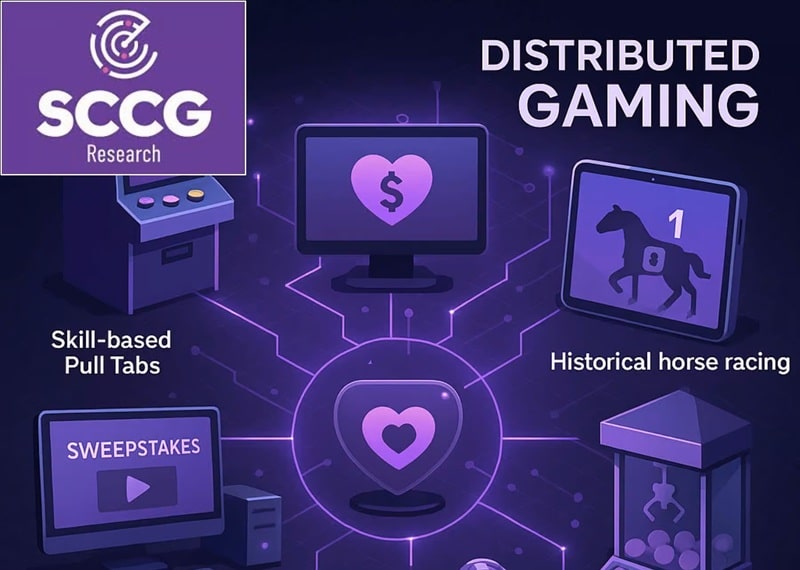
In this case, as part of its recent deal with G&M News, the company is sharing an exclusive excerpt of its “Primer on the History, Regulation, and Future of Distributed Gaming” report, which has been officially launched. Let’s take a closer look at this very insightful document.
A Multifaceted Relationship
Distributed gaming sits at the crossroads of community entertainment and regulated gambling, touching on everything from consumer behavior and legal interpretation to tribal sovereignty and tax revenue. The way these elements interact reveals a complex but increasingly important segment of the gaming industry.
From Play-for-Fun to Real Money
Social casinos and other distributed formats often serve as a starting point for players who eventually engage in real-money gambling. Studies have shown that around 26% of social casino users begin gambling online within six months. Players who make in-game purchases are particularly likely to make that transition. These games, often modeled on traditional slot and casino experiences, also double as marketing tools, acting as a soft introduction to real-money brands and platforms through loyalty programs and game-based engagement strategies.
Tribal Gaming Compacts and Emerging Conflicts
The rollout of distributed gaming formats like electronic pull-tabs and sweepstakes machines has sparked tension in states with tribal gaming agreements. In Minnesota, tribal leaders have argued that these new forms of gaming infringe on their exclusive rights, leading to proposed legal changes aimed at clarifying what is -and isn’t- allowed. Oklahoma has faced similar disputes, where tribal representatives have raised concerns about how newer gaming formats might undermine existing compacts and the financial terms tied to exclusivity payments.
Divergent State Strategies
Each state has taken its own approach to regulating distributed gaming. Illinois stands out for its centralized oversight model, which includes licensing, revenue tracking, and a real-time monitoring system for every Video Gaming Terminal (VGT). Georgia operates under a different structure, regulating its Coin Operated Amusement Machine (COAM) program through the state lottery. Meanwhile, states like Pennsylvania and Missouri have experienced the unchecked spread of skill-based gaming machines, often without formal regulatory frameworks in place, leading to disputes and enforcement challenges.
Revenue, Licensing, and Public Impact
Tax rates and licensing structures vary drastically across states. In Oklahoma, for example, tribal operators paid over USD 200 million in exclusivity fees in fiscal year 2024, fees that support public programs like education and infrastructure. Other states, like Georgia and South Dakota, tax distributed gaming between 10% and 50%, depending on the model. In many cases, a portion of these revenues is reinvested in the community, making the model more appealing to the public and lawmakers alike.
Skill vs. Chance: Legal Definitions Under Scrutiny
A central legal debate in distributed gaming revolves around how machines are classified. In Pennsylvania, courts have ruled that certain machines meet the threshold for games of skill, exempting them from traditional gambling laws, though lawmakers continue to debate more permanent legislation. Florida has taken a stricter stance, cracking down on sweepstakes cafes that authorities deemed illegal gambling operations. These rulings underscore how legal interpretation -often in the absence of updated legislation- continues to shape the future of distributed formats.
You can access this insightful document here.