







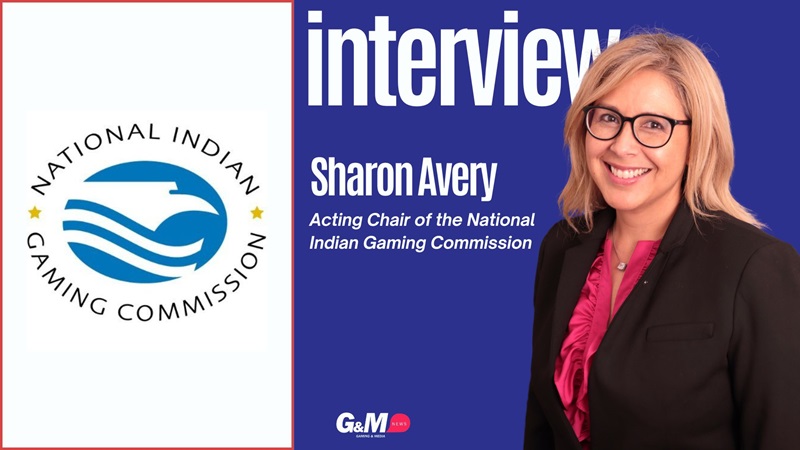
By Damian Martinez, journalist at G&M News.
In May 2024, you were appointed as Acting Chair at the National Indian Gaming Commission. How does it feel to have been selected to lead this key organization in the U.S.?
I am quite honored to have this distinguished opportunity bestowed upon me. As the third woman to serve in this capacity, I will continue to lead the Agency in providing regulatory oversight of tribal gaming operations in accordance with the Indian Gaming Regulatory Act (IGRA).
What are your main responsibilities in the role?
As Acting Chair, I have the same statutory authority to lead the Agency and take official actions as a Senate confirmed appointee. These duties include approving or disapproving gaming ordinances, management contracts, authorizing or objecting to alternate standards, and taking enforcement actions.
One month ago, the National Indian Gaming Commission released fiscal year 2023 Gross Gaming Revenue numbers, totaling USD 41.9 billion. What’s your analysis on these record indicators?
While we are unable to pinpoint exactly what led to this growth, we can reasonably determine that its success may be attributed to the resilience and dedication of tribal leaders, regulators, and gaming operators who all work to ensure that tribal gaming remains a benefit for tribal communities for many years to come.
After working for more than 10 years in different positions related to Tribal Affairs, you have a deep understanding of the issues that the sector has. What are the most important demands that the Tribal gaming operators currently have?
One of the most pressing demands for tribal operators is keeping pace with innovation and increased competition. As more gaming states move towards implementing iGaming and sports betting, many tribal operations and regulators keep on exploring new and innovative ways to expand and deliver world-class experiences. The NIGC works with Tribes within IGRA’s flexibility to ensure they have the regulatory tools to remain competitive and cultivate sustainable economies. Moreover, right now, the Agency’s primary focus is on ensuring that as changes in state and federal laws occur, we are providing the necessary support to tribal gaming operators to ensure they maintain this upward trajectory.
What goals do you have on your agenda for the rest of the year?
I will continue to work with Tribes to understand the challenges they are facing in Indian Country. I am focused on ways the Agency can help support Tribes’ efforts to grow and sustain gaming. For example, we are looking to identify redundancies in procedures or policies so that NIGC can streamline compliance functions required by IGRA. I also remain committed to providing Tribes with training and technical assistance. This includes training on best practices and industry trends to help regulatory and operational workforces position themselves to be compliant and competitive across the larger gaming industry.