









By Tatiana Martins, journalist at G&M News.
Sometimes, it’s not the jackpot that keeps players coming back; it’s the feeling of almost winning. That small spark of satisfaction, the flicker of progress, the sense that victory is just around the corner, these are the moments that quietly shape loyalty in modern gaming.
In an industry often obsessed with spectacular, behavioral economics reminds us that real magic lies in the micro. From subtle rewards to cleverly timed feedback, casinos and sportsbooks are learning that a series of small emotional wins can build a much stronger bond than a single big payout.
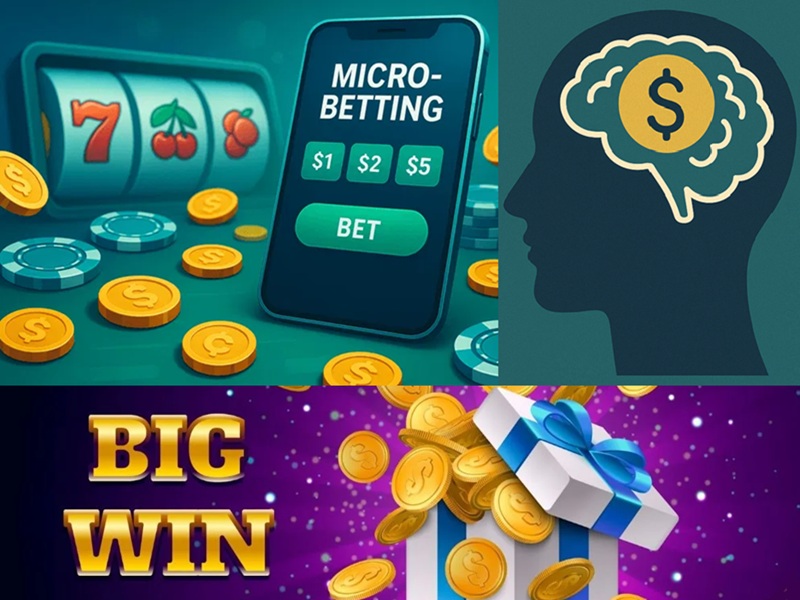
This is the psychology of micro-wins, a principle rooted in the science of human motivation, now transforming game design, engagement mechanics, and player retention strategies across the global iGaming landscape.
Understanding the behavioral science behind micro-wins
Behavioral economics has shown that people are not perfectly rational decision-makers. Instead, our choices are deeply influenced by emotions, perceptions of progress, and the anticipation of reward.
Micro-wins leverage what psychologist B. F. Skinner identified as ‘variable reinforcement,’ the idea that intermittent, unpredictable rewards are more motivating than consistent, predictable ones. Every small success triggers a burst of dopamine, the brain’s “feel-good” neurotransmitter, strengthening the desire to repeat the behavior that led to it.
In gaming, this means that even minor wins: a few credits gained, a partial success, or a near-miss can maintain excitement, engagement, and the feeling of “I’m getting closer.” The perception of advancement, however incremental, keeps the experience emotionally rewarding.
From slot machines to sportsbooks: evolution of reward mechanics
Slot machines were among the first to master the psychology of micro-rewards. Players could win back a fraction of their bet, less than what they wagered, but still experience it as a success due to celebratory sounds, animations, and visual feedback. The game made the experience of winning more salient than the actual monetary outcome.
Today, sportsbooks are adopting similar behavioral principles, but with new layers of personalization and gamification. Features such as cash-out options, bet streak challenges, and micro-objectives (e.g., predicting the next goal, corner, or period result) allow bettors to experience multiple points of satisfaction within a single match.
Each micro-reward moment creates what UX designers call ‘emotional hooks’: instant feedback loops that reinforce engagement. Instead of waiting for one large outcome, the player’s journey becomes a chain of smaller, meaningful interactions.
Gamification and the rise of emotional design
In both casino and sportsbook environments, emotional design has become a strategic cornerstone. Developers are increasingly using elements borrowed from video games and mobile apps to build long-term player relationships.
These elements include:
- Achievement systems: unlocking trophies, levels, or badges for milestones like consecutive bets or number of logins.
- Progress bars and streaks: visual cues that show how close a player is to earning a reward.
- Dynamic missions: daily or weekly challenges that reward consistent participation.
- Instant feedback loops: positive reinforcement through animations, sounds, and personalized messages.
Such features satisfy core human needs for competence, autonomy, and relatedness, the same psychological drivers behind successful social media and gaming platforms. When executed with care, they transform betting into a more engaging, interactive, and rewarding experience.
The ethical dimension: engagement over exploitation
Critics often raise concerns that micro-win mechanics could blur the line between entertainment and compulsion. Yet the most forward-thinking operators are proving that behavioral design can be ethical and empowering.
By prioritizing transparency, control, and moderation tools, platforms can ensure that engagement remains healthy and enjoyable. Clear win disclosures, customizable session limits, and real-time analytics for player behavior are now becoming standard components of responsible design frameworks.
In this context, micro-wins are about enhancing positive reinforcement and supporting sustainable play. When players feel valued and in control, loyalty becomes genuine rather than addictive.
The commercial value of small wins
From a business standpoint, the impact of micro-reward systems is significant. Operators who invest in emotional engagement report:
- Higher retention rates due to continuous player satisfaction.
- Increased session frequency and lifetime value.
- Stronger brand affinity as players associate the platform with positive emotions.
- Improved cross-sell performance, micro-wins can seamlessly bridge casinos and sportsbook experiences.
A bettor who receives frequent feedback and small incentives in a sportsbook environment is more likely to explore casino games, and vice versa. The psychological framework of progress and achievement creates a unified engagement narrative across products.
This model also aligns with broader trends in digital entertainment, where platforms like streaming services and mobile games use micro-rewards, such as badges, rankings, and unlockable content to sustain user interest over time.
The future of reward personalization
With AI-driven personalization, the concept of micro-wins is entering a new era. Data analytics can now identify each player’s engagement thresholds, when they are most responsive, what type of feedback motivates them, and how they prefer to be rewarded.
Imagine a sportsbook that recognizes a player’s betting style and automatically tailors micro-objectives:
- For risk-takers, surprise boosts on multi-bets.
- For cautious players, rewards for accurate single predictions.
- For social bettors, community milestones or shared achievements.
This adaptive design ensures that every reward feels earned and personal, deepening the sense of connection between player and brand.
Small wins that build big relationships
Micro-wins represent a shift in how the iGaming industry understands human behavior. By focusing on emotion, progress, and satisfaction rather than just profit, operators can build experiences that are both engaging and sustainable.
Behavioral economics offers a powerful reminder that success in gaming doesn’t depend on size, but on frequency and feeling. The brands that design with empathy and insight will not only retain their players but earn their trust. In the end, it’s often the smallest wins that leave the biggest impression.