









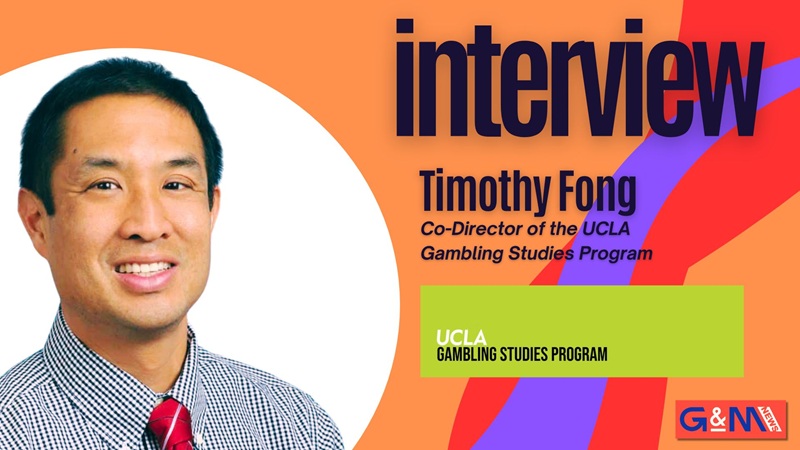
By Tatiana Martins, journalist at G&M News.
As digital gambling continues to expand globally, what behavioral patterns are you seeing emerge among players that the industry should be paying closer attention to?
Gambling online is easier than it has ever been; it is frictionless and simple to start. For gamblers that are vulnerable to developing problems, I pay close attention to changes in frequency, speed, and purpose: people gambling more often, moving more quickly from impulse to wager, chasing losses, or using gambling to manage stress, boredom, or emotional discomfort. I also watch for the point at which gambling stops being entertainment and starts being a financial strategy. When someone believes gambling is a way to solve money problems, recover losses, or generate income, the risk profile changes significantly. That is one of the issues we have been examining through Kindbridge Research Institute’s Financial Stability and Responsible Gambling Initiative, which is focused on gambling-related harm as both a financial and public health issue.
From a clinical perspective, why does financial stress often become one of the earliest and most significant consequences of problematic gambling behavior?
Financial stress is often the first place the harm shows up. Before someone presents with a psychiatric crisis or a relationship breakdown, there may already be missed bills, drained savings, growing debt, or secrecy around money. What makes that so important is that financial stress rarely stays confined to money. It tends to spill into anxiety, sleep disruption, depression, and a growing sense of loss of control. There is also a reinforcing cycle at play: financial pressure increases distress, and distress can drive more gambling, especially when someone starts chasing losses in the hope of getting back to even.
The gambling industry is increasingly investing in responsible gaming initiatives. In your view, what measures are currently the most effective in identifying players who may be at risk?
The most effective approaches are the ones that shape and influence gambling behavior over time rather than relying only on static disclosures or one-time messages. Risk usually reveals itself through patterns, such as a sudden increase in deposit frequency, longer sessions, repeated withdrawal reversals, or clear chasing behavior after losses. What matters clinically is change. When behavior becomes more intense, more repetitive, or more emotionally driven, that is often more informative than any single wager or dollar amount. The most promising responsible gambling efforts are the ones that help identify risky gambling patterns and inform people that their gambling may be shifting away from entertainment and into something harmful. Responsible gaming initiatives that empower people to ask questions about how gambling is impacting their lives are much more impactful than critical or punitive messaging. Best practices in responsible gambling initiatives may include linking people directly to gambling therapists or notifications by phone or embedded messaging showing how much one has spent and pattern changes in gambling.
How can operators and technology providers use data and behavioral insights to support earlier detection of potential gambling harm?
Behavioral data can serve as an early-warning system. Operators and technology providers already see patterns such as changes in session length, deposit velocity, failed deposits, repeated chasing behavior, and shifts in spending intensity. When those signals are interpreted thoughtfully, they can help surface risk earlier. The key is context. It is less about any one transaction and more about changes from a person’s usual pattern. That’s something we’re actively exploring through the Financial Stability and Responsible Gambling Initiative, with a focus on how to identify financial stress earlier and more effectively.
Looking ahead, what role should collaboration between the gambling industry, financial institutions, and mental health professionals play in strengthening responsible gambling frameworks?
Collaboration is essential because no single sector has a complete view of the problem. Operators may see changes in play behavior. Financial institutions may see signs of stress in spending patterns or reliance on credit. Mental health professionals can help interpret when risk is becoming clinically meaningful and what kinds of support are most likely to help. When those perspectives stay separate, people are often identified after the damage is already significant. When sectors work in better alignment, there is a higher chance of recognizing risk earlier. That cross-sector model is exactly what Kindbridge Research Institute’s Financial Stability and Responsible Gambling Initiative is trying to advance.