









If you work in gaming long enough, you notice a pattern. We obsess over regulation, products and acquisition costs, but we spend far less time on a basic question: what do players actually want from us right now?
For operators, regulators, associations, and providers, missing this point can be costly. Markets are crowded, marketing is limited, and players have more choice and information than ever. Licenses, secure payments, and a large game library are now expected. What sets you apart is the content you offer, how you communicate, and whether players trust your brand.
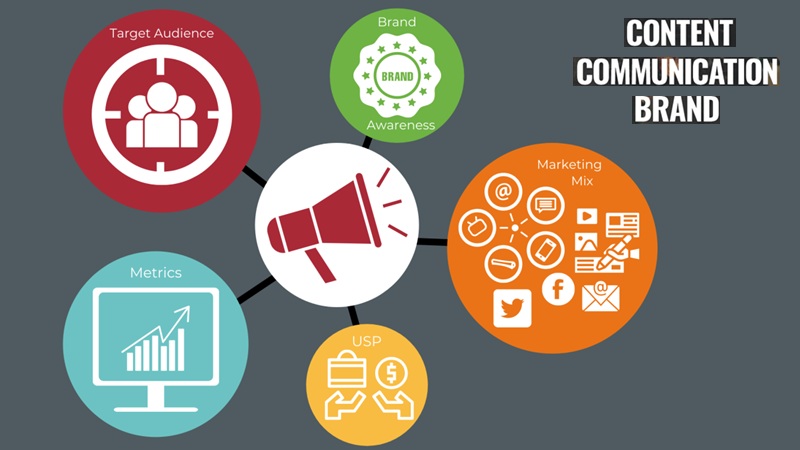
This article examines those three layers through a strategic lens and concludes with practical priorities for each stakeholder group.
- THE CONTENT LAYER: FROM “MORE” TO “MORE RELEVANT”
Most platforms still compete in volume: more slots, more tables, more live games. Players are quietly raising the bar from “more choice” to “more relevance.” Three trends matter most.
Immersive and social by default
Live dealer games are no longer just a niche feature. For many players, they are now the main way to play. Players want the excitement of a real table, the chance to chat, and clear proof that the game is fair. Game-show formats, studios in local languages, and familiar cultural settings add an emotional touch that standard RNG games cannot offer.
For operators and providers, the question is no longer “should we invest in live?”, but “how do we differentiate our live experience?” That might mean native-speaking dealers, region-specific sets, tailored limits for different segments or exclusive tables that strengthen brand identity.
Agency, not just RNG
Players still accept randomness -they know the house edge exists-, but they increasingly want moments where their decisions matter. That is one reason for the rise of crash games, instant-win formats, skill-style bonus rounds and mission-based slots.
The message is simple: content that lets players make meaningful choices and track some form of progress keeps them engaged longer than pure spin-and-hope mechanics. Providers can respond with new mechanics; operators can respond by curating lobbies, so these formats are easy to discover, not buried behind hundreds of near-identical titles.
Mobile-first and on-demand
For today’s players, mobile is not a channel, it is the default play mode. They dip in and out between other tasks; they expect games and lobbies to load instantly; they abandon anything that feels clumsy on a small screen.
“Responsive” is no longer enough. Sites and apps need genuinely mobile-first flows: fast, compliant onboarding, biometric login, one-hand navigation, and friction-free access to favorite games.
Information as part of the product
There is growing demand for content that helps players understand what they are doing: how a new game works, what RTP and volatility mean, and how to set limits. Educational content, clear help centers, and in-product explainers used to be a compliance necessity. Used well, they are now a competitive asset.
Operators that present rules, odds and responsible gambling tools in plain language send a clear signal: “we want you here for a long time, not just for a weekend.” In saturated markets, that message often converts better than one more oversized welcome bonus.
- THE COMMUNICATION LAYER: FROM CAMPAIGNS TO CONVERSATIONS
The second layer is how we talk to players. Here, modern audiences are noticeably clear in their behavior, even if they rarely say it explicitly.
Personalization as the new minimum
Players live in a personalized world. When a casino still sends the same bonus email to everyone, it looks outdated at best, and careless at worst.
At a minimum, operators should segment by lifecycle stage, value band, preferred games, and communication channel. More mature programs use behavioral triggers: win or loss streaks, product switches, periods of inactivity. The goal is not to push more promotions, but to send fewer, more relevant ones.
On the product side, recommendation carousels, “because you played” sections and tailored limits are no longer exotic. They are simply how modern digital products behave. If the lobby feels static, players will notice and quietly move to one that does not.
Authentic, plain-language messaging
Modern players are sensitive to tone. They can spot overpromising and vague wording instantly and share negative experiences publicly.
The brands that are winning adopt a different voice: direct, honest, and human. They explain odds and terms in plain language, do not hide restrictive conditions in small print, and admit mistakes quickly when something goes wrong.
That style of communication is not just “nice branding.” It is the foundation of commercial performance because it builds a type of trust that is extremely hard to replicate through advertising alone.
Real-time support as part of the brand
For many players, the first real interaction with a brand happens when something breaks: a delayed withdrawal, a failed bonus, a technical issue in a live game. How that moment is handled matters more than any campaign.
Fast, competent, multi-language support (via live chat, in-app messaging and, increasingly, well-designed AI assistants) is now part of the communication strategy. Long email queues and generic replies tell players that their time is not valued. In a market where switching costs are low, they simply do not come back.
Two-way communication and community
Communication is shifting from broadcasting to conversation. Players expect to see brands and providers present and listening on social media, forums, and streaming platforms.
Simple moves like acknowledging feedback, explaining roadmap decisions, or inviting players to vote on new features create a sense of participation. If you are a regulator or association, the same principle applies when you explain why a rule exists in plain language, players and industry are more likely to accept it.
- THE BRAND LAYER: COMPETING ON TRUST, NOT JUST PROMOTION
In such a competitive environment, shouting louder is instinctive: bigger bonuses, more aggressive acquisition, heavier advertising. Players are paying closer attention to quieter, long-term signals.
Trust as the primary differentiator
Licenses, secure payments and audited RNGs are the baseline. What separates brands now is how far they go beyond the minimum.
Operators that lead on clarity (clear terms, honest marketing, visible responsible gambling tools, predictable withdrawals) accumulate a reputation that compounds over time. They see fewer complaints and higher lifetime value because players are less anxious every time they deposit.
Responsible gambling as part of the value proposition
There was a time when iGaming treated responsible gambling as a checkbox. Today, it is increasingly part of the brand story.
When operators integrate limits, reality checks, self-assessment tools, and cooling-off periods in a visible, user-friendly way (and talk about them proactively), they send a clear signal about the kind of relationship they want with their players. Many players, especially in mature markets, are actively looking for that signal.
Innovation with solid fundamentals
Innovation still matters. AR/VR experiences, new mechanics, crypto payments, and cross-product loyalty schemes can differentiate a brand. But innovation without solid fundamentals tends to backfire. A beautifully produced crash game will not save a site with slow KYC and confusing terms.
Players benchmark every new brand against the best digital products they use in other sectors. If something feels clunky, they leave.
PRACTICAL PRIORITIES BY STAKEHOLDER
To close, here are some concrete priorities for each group.
Operators
- Curate for relevance, not just volume: highlight live, social, and agency-driven content; retire low-performing clones.
- Invest in personalization and retention flows before adding more acquisition channels.
- Make clarity and responsible gambling tools visible in the core journey, not hidden in the footer.
- Build local teams or partnerships so each market feels genuinely “for us.”
Providers
- Design new content around agency, immersion, and cultural relevance.
- Offer operators tools for personalization: configurable lobbies, rich event data, flexible limits.
- Ensure UX, translations and documentation are as polished as the game itself.
- Work proactively with regulators on standards for transparency and safer game design.
Regulators
- Communicate rules and changes in player-friendly language, not just legalese.
- Encourage innovation within guardrails by providing clear sandboxes and timelines.
- Make transparency and responsible gambling tools a visible part of licensing expectations.
- Collaborate with associations and operators on data-driven, proportionate interventions.
Associations and industry bodies
- Commission and share research on players’ expectations regarding content, communication, and brand trust.
- Promote codes of conduct that raise the floor on advertising ethics and data use.
- Create forums where operators, providers and regulators can align on standards and best practices.
- Highlight and reward long-term, player-centric strategies – not just short-term growth.
Players are telling us, through their behavior, exactly what they want: relevant content, honest communication, and brands they can trust. The organizations that listen and act will not only perform better commercially; they will also help the industry mature into the kind of entertainment ecosystem regulators, investors, and society are more comfortable with.