









By Tatiana Martins, journalist at G&M News.
Luck, fate and randomness are not merely personal beliefs. They are cultural infrastructures that shape how people interpret risk, create rituals around chance, and choose which games to play. For iGaming operators entering or scaling global markets, understanding these cultural lenses is as important as considering regulation or payment rails. Below, we compare how several cultural frameworks treat luck and gambling, show what behavioral patterns they produce, and give practical implications operators can act on.
Luck as a cultural system: A quick framing
Anthropologists treat gambling as a culturally embedded practice, a “lifeworld” where symbols, rituals and norms give specific meanings to chance events. That framing explains why the same game format can be played very differently across societies: it’s not only game rules but shared meanings around luck and agency that matter.
East Asia: Turning luck into experience design
In East Asian markets, particularly in China, luck is not seen as random but as a cyclical and interactive force, something that can be shaped through numbers, rituals, or auspicious choices. This creates rich opportunities for operators to build culturally resonant experiences.
Games that highlight lucky numbers (like 8 and 9), zodiac symbols, or customizable “fortune” features consistently show higher engagement among Chinese-speaking audiences. Instead of viewing superstition as a risk factor, successful brands treat it as a design language of participation and empowerment, aligning product aesthetics with long-standing cultural beliefs.
Japan: Entertainment-first narratives as a blueprint for sustainability
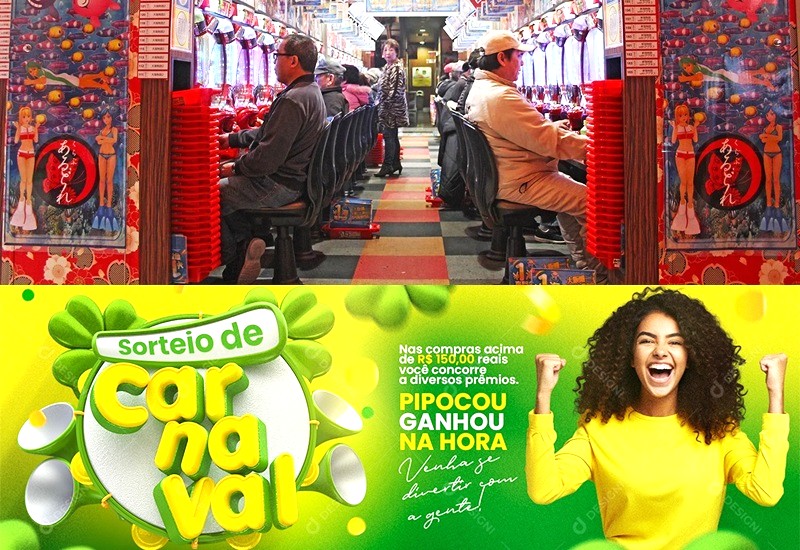
Japan’s pachinko culture demonstrates how reframing gambling as entertainment can build enduring markets. Pachinko and pachislot are deeply integrated into daily life and treated socially as games, not bets, creating a massive, normalized entertainment economy.
For iGaming operators, this shows the potential of storytelling, design, and semantics to reposition products as part of leisure and lifestyle rather than purely wagering. When games are culturally embedded as “play,” they gain social acceptance and reduce stigma, offering a sustainable growth model.
Latin America (Brazil): From informal traditions to formal innovation
Brazil’s gaming culture, from the Jogo do Bicho to carnival-themed raffles, reflects community-based entertainment deeply tied to identity and celebration. As regulation advances, operators can draw from these traditions to design authentic, locally flavored products that feel familiar and trustworthy.
Small, frequent bets, number-based draws, and sports connections mirror Brazil’s social rhythm, and by integrating this heritage into regulated products, operators can transform informal enthusiasm into sustainable, compliant growth.
Western/Anglo markets: The fusion of skill and chance
In Western contexts, gambling often aligns with personal agency: skill, strategy, and probability. This creates room for innovation across hybrid products like fantasy sports and skill-based slots.
Operators succeed when they recognize the spectrum of motivation: from competitive engagement to casual fun. Integrating data visualization, leaderboards, and social achievements enhances transparency and allows players to see luck as an ally, not an adversary.
Cross-cultural patterns: What drives engagement globally
- Symbolism builds connection. Colors, numbers, and rituals that hold cultural meaning increase immersion and emotional loyalty.
- Positioning changes perception. Framing products as entertainment rather than “betting” can elevate brand image and ease regulatory friction.
- Local trust matters. Where informal economies exist, regulated operators who honor local tradition through education and fair play earn credibility.
- Responsible innovation is cultural. Culturally aligned safer-play tools, such as luck resets, cool-down rituals, or context-specific self-limits, foster well-being and retention.
Strategic takeaways for operators
- Localize meaning, not just language. Incorporate symbolic elements like Lunar New Year features or “choose your fortune” mechanics backed by genuine cultural research.
- Segment by motivation. Map products to differentiate play meanings, ritual, skill, or quick-luck, to personalize journeys and analytics.
- Design culturally intelligent safeguards. Align responsible gaming tools with local beliefs about fate and control, creating empathy and trust.
- Build legitimacy through heritage. Respecting local gambling histories while promoting transparency and safety enhances both brand reputation and compliance outcomes.
Luck is not a universal, ahistorical constant. It is interpreted through cultural narratives that shape behavior, risk, and meaning. For iGaming operators, the commercial and ethical payoffs of culturally informed design are clear: better product-market fit, fewer unintended harms, and stronger local legitimacy. Anthropology doesn’t give turnkey marketing tactics, but it does offer a must-have analytic: to sell games of chance, first study the chances people believe in.